The Blood of Dawnwalker is, in my opinion, one of the standout games of 2026. In my review, I especially praised the high quality of its quest writing, while also admitting that I would have loved to see even more of its interesting time slot system.
Are you looking for more of the same? Whether it was the vampires that drew you in, the quests you could influence with your choices, or the passage of in-game time and all the consequences that came with it, look no further than this list.
| Game | Looking for… |
| The Witcher 3: Wild Hunt | The closest overall match |
| Kingdom Come: Deliverance II | A realistic medieval alternative |
| Vampyr | The struggle between humanity and vampirism |
| Baldur’s Gate 3 | Choices that genuinely shape your story |
| Vampire: The Masquerade – Bloodlines | The full vampire roleplaying experience |
| Pentiment | Meaningful choices under time pressure |
| Dyling Light 2: Stay Human | A day/night cycle that changes how you play |
| Fallout: New Vegas | Factions, reputation, and meaningful choices |
| The Elder Scrolls V: Skyrim | Vampire powers and open-world exploration |
| Pathologic 2 | A much more unforgiving time limit |
The Witcher 3: Wild Hunt

Best for: Players who especially enjoyed the well-written quests and choices that let you influence the story.
It doesn’t get much more obvious than The Witcher 3: Wild Hunt. The Blood of Dawnwalker developer Rebel Wolves was co-founded by The Witcher 3 director Konrad Tomaszkiewicz and partly consists of developers who worked on The Witcher 3 and its expansions. That shared DNA is clear to see.
In The Witcher 3, you step into the shoes of monster hunter Geralt of Rivia, who travels through a war-torn fantasy world, one that actually looks quite a bit like Vale Sangora, in search of his adopted daughter Ciri. Along the way, he takes on countless jobs, hunts monsters, and gets dragged into the problems of pretty much everyone who crosses his path.
You can especially feel the Witcher influence in the excellent writing. The quests in The Witcher 3: Wild Hunt are phenomenal across the board, whether you’re following the main quest or getting distracted by one of its countless side quests. Just like in The Blood of Dawnwalker, you’re also constantly making choices through dialogue and actions that can send stories in completely different directions.
The crème de la crème is its incredible soundtrack. To this day, The Witcher 3 has one of the best soundtracks I’ve ever heard, and The Blood of Dawnwalker regularly hits similar musical notes. If it was the writing, choices, and atmosphere of The Blood of Dawnwalker that appealed to you most, The Witcher 3: Wild Hunt is an absolute must-play.
Kingdom Come: Deliverance 2

Best for: Players who especially enjoyed the medieval world and memorable side quests.
Kingdom Come: Deliverance II takes place in 15th-century Bohemia. You once again step into the shoes of Henry, the son of a blacksmith who becomes caught up in a civil war and a conflict surrounding the Bohemian throne. Unlike The Blood of Dawnwalker, there are no vampires, magic, or other supernatural elements here. Instead, the game tries to make its medieval world feel as believable as possible.
At the same time, that’s where you’ll find an important similarity. Both games give you a large open world filled with villages, forests, castles, and inhabitants dealing with problems of their own. If you particularly enjoyed wandering off the beaten path in Dawnwalker to discover the stories hidden behind its different side quests, Kingdom Come: Deliverance II will feel familiar. Here too, a seemingly simple encounter can turn into an elaborate quest.
Choices and reputation also play an important role. Henry’s behavior, appearance, and reputation can influence how people treat him, while quests often have multiple outcomes. You might be able to talk your way through a situation where another player would rather reach for their sword. This freedom is one of the many reasons I rated the game a 9.5 out of 10 in my review.
It’s actually quite simple: you can see Kingdom Come: Deliverance II as a realistic version of The Blood of Dawnwalker. If it was the writing and choices that appealed to you most in Dawnwalker, and you didn’t mind the directional combat either, you can’t really go wrong with this one.
Vampyr

Best for: Players who are still a little thirsty for blood.
Vampyr takes place in London in 1918, during the Spanish flu pandemic. You play as Jonathan Reid, a doctor returning from the First World War who is turned into a vampire shortly afterwards. That creates an interesting contradiction: as a doctor, Jonathan has dedicated his life to saving people, while as a vampire, he now needs their blood.
That’s also where you’ll immediately find the strongest similarity with The Blood of Dawnwalker. Like Coen, Jonathan tries to hold on to his humanity while simultaneously gaining increasingly powerful vampiric abilities.
Vampyr takes that concept even further. You can drain the citizens of London to earn huge amounts of XP and grow stronger more quickly, but every victim is an actual character with their own story, relationships, and place within the world. You can even choose not to kill anyone at all, although doing so makes things considerably harder for yourself.
Your surroundings also suffer the consequences of your choices. London’s different districts can deteriorate as residents disappear and the overall health of an area declines. As a result, Vampyr, even more so than The Blood of Dawnwalker, revolves around the question of how much of your humanity you’re willing to sacrifice for the power that comes with being a vampire.
Baldur’s Gate 3
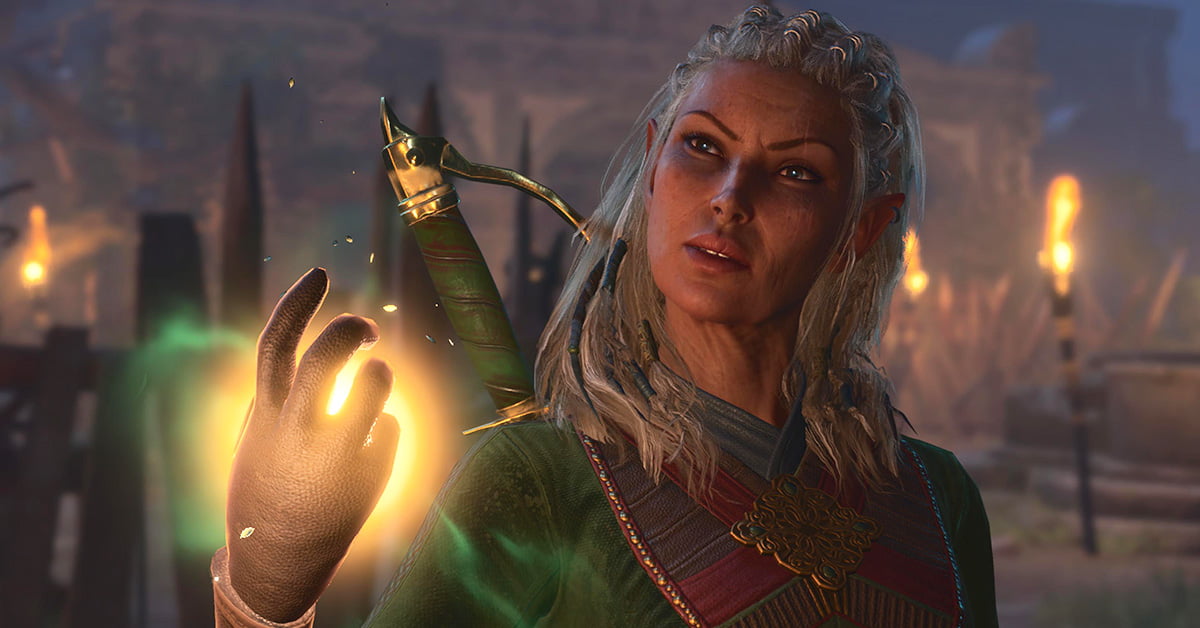
Best for: Players who especially enjoyed having the freedom to influence the story through their choices.
In Baldur’s Gate 3, your custom-made character is immediately abducted by Mind Flayers. A parasite is implanted in your head that is supposed to turn you into one of them. Together with a group of fellow victims, you set out to find a way to get rid of it, only to become involved in a much larger conflict.
The biggest similarity with The Blood of Dawnwalker is the enormous amount of freedom you have when making choices. Conversations can play out completely differently depending on what you say, characters can become friends, enemies, or lovers, and quests regularly offer multiple solutions and outcomes. Sometimes a choice can even cause certain characters, quests, or entire pieces of content to disappear. Just like in Dawnwalker, you have to accept that a single playthrough simply won’t show you everything.
Baldur’s Gate 3 takes this much further. You can talk your way out of conflicts, play different parties against each other, betray someone, avoid fights entirely, or cause problems whose consequences don’t become apparent until many hours later. Even your companions respond to your behavior and can develop different relationships with you or head down different paths.
The biggest difference is the gameplay itself. Baldur’s Gate 3 is a party-based RPG with turn-based combat and doesn’t have Dawnwalker’s human/vampire or time slot systems. But if what appealed to you most was the feeling that your choices were creating your own version of Coen’s story, Baldur’s Gate 3 might just be one of the strongest recommendations on this list.
Vampire: The Masquerade – Bloodlines
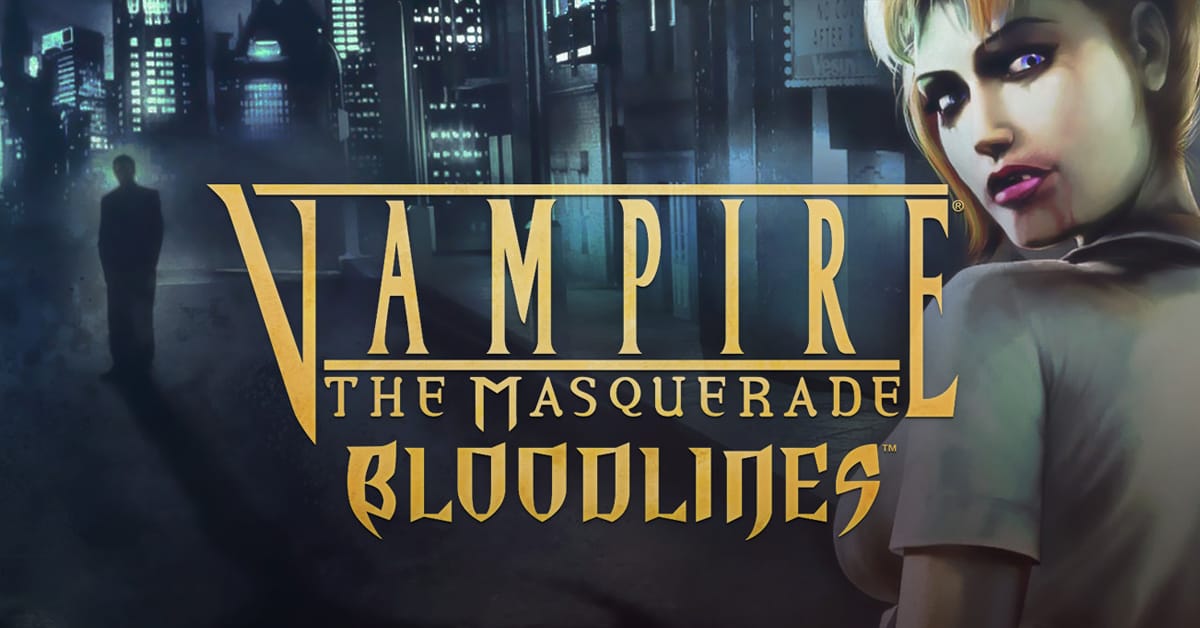
Best for: Players who want to keep living the vampire life.
At the beginning of Vampire: The Masquerade – Bloodlines, you’re turned into a vampire and unleashed into nighttime Los Angeles. You choose from several different vampire clans, each with their own powers, characteristics, and sometimes even unique dialogue options. It doesn’t take long before you become caught up in the political struggle between the different vampire factions trying to control the city.
Where The Blood of Dawnwalker lets you experience Coen slowly learning how to deal with his new powers, Bloodlines takes things a step further by building virtually the entire RPG around being a vampire. You feed on humans to replenish your blood supply, wield supernatural powers, and simultaneously have to prevent ordinary people from discovering that vampires actually exist.
That last part is particularly interesting. You’re much stronger than most of the people around you, but you can’t simply decide to bite someone in the middle of the street. Break the so-called Masquerade by revealing your true nature too openly and you risk facing the consequences. The type of vampire you play can also influence how you solve problems, giving Bloodlines plenty of room to actually roleplay your own vampire character.
Vampire: The Masquerade – Bloodlines is definitely showing its age by now and plays considerably less smoothly than The Blood of Dawnwalker. But if sneaking around at night, feeding on humans, and using Coen’s supernatural powers were among your favorite parts of the game, there aren’t many RPGs where living as a vampire is quite this central to the experience.
Pentiment
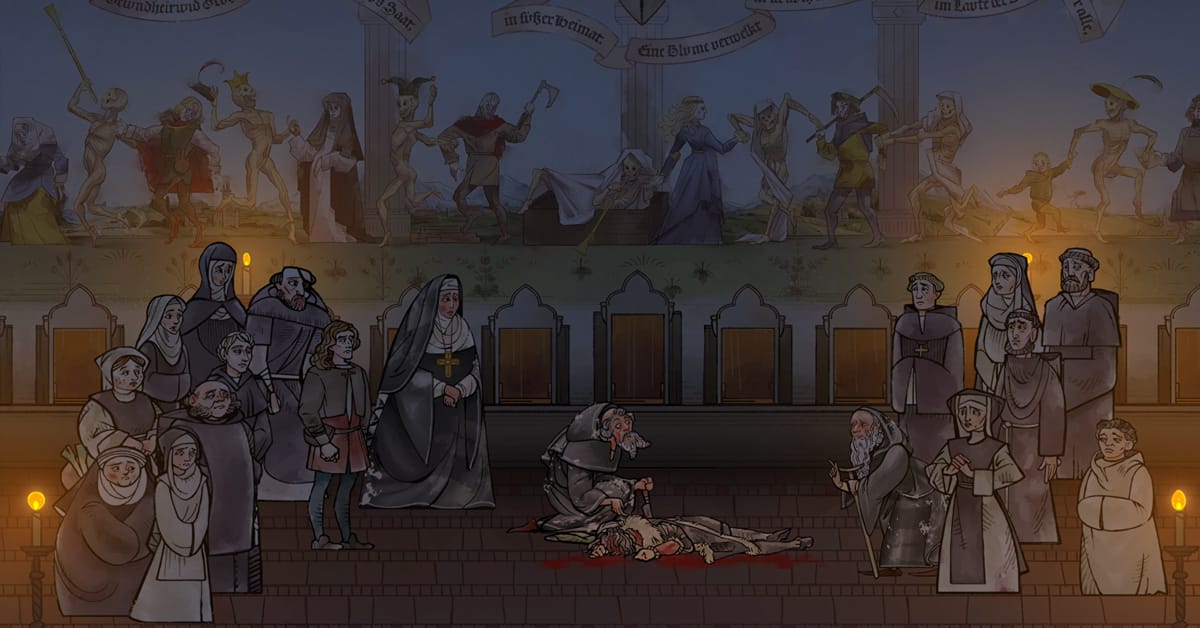
Best for: Players who especially enjoyed the time slot system and difficult choices.
You probably wouldn’t immediately expect Pentiment to appear on this list. There are no vampires, no huge open world, and, in fact, there’s no combat whatsoever. In Pentiment, you play as artist Andreas Maler, who becomes involved in a murder investigation surrounding an abbey and the nearby town of Tassing in 16th-century Bavaria.
But if, like me, you were particularly intrigued by the time slot system in The Blood of Dawnwalker, Pentiment becomes much more interesting. Your actions constantly push the clock forward. Where the ticking clock in The Blood of Dawnwalker mostly makes an impact during its prologue, Pentiment maintains that pressure throughout the entire game. You simply can’t do everything you want to do and have to choose which leads you follow.
That limited amount of time automatically gives your choices more weight. You can’t simply follow every possible lead before moving on, forcing you to regularly decide where your attention is best spent. Just like in Dawnwalker, time becomes an actual resource rather than simply a way to transition the world from day to night.
Pentiment obviously does something completely different from The Blood of Dawnwalker in terms of gameplay, but it creates a similar feeling: the clock keeps ticking, you can’t be everywhere at once, and eventually you have to accept that you simply won’t see everything in a single playthrough. Exactly the kind of pressure I actually wish Dawnwalker had given me more of.
Dying Light 2: Stay Human

Best for: Players who especially enjoyed the difference between day and night.
In Dying Light 2: Stay Human, you play as Aiden Caldwell, a so-called Pilgrim who arrives in Villedor, one of the last major human settlements, years after a zombie outbreak. During the day, you can explore the city relatively safely, but once the sun goes down, things change considerably.
Just like in The Blood of Dawnwalker, the difference between day and night is much more than a visual change. When darkness falls, the most dangerous infected take to the streets, while locations packed with zombies during the day become more accessible. Some activities are therefore better tackled at night, while others are considerably safer during daylight.
That means you’re constantly taking the time of day into account when deciding what to do. Where Dawnwalker gives Coen completely different possibilities as a human during the day and a vampire at night, Dying Light 2 primarily changes the world around you. During the day, you’re relatively free to move around Villedor. At night, that same city becomes a much more dangerous playground where stealth, parkour, and running for your life suddenly become far more important.
It’s a completely different kind of RPG, but if you liked how the transition from day to night in The Blood of Dawnwalker actually affected the way you played, Dying Light 2 does something similar. Except this time, you’re not the one people should be afraid of once the sun goes down.
Fallout: New Vegas

Best for: Players who especially enjoyed the different factions and the consequences of their choices.
Fallout: New Vegas sends you into the post-apocalyptic Mojave Wasteland, where you play as the Courier and set out to find the person who leaves you for dead at the beginning of the game. That search eventually puts you right in the middle of a power struggle surrounding New Vegas, with several factions all having their own plans for the region.
Just like in The Blood of Dawnwalker, you’ll constantly encounter characters and groups with their own interests throughout your journey. Who you help, oppose, or ignore affects your reputation with different factions. One group might welcome you as an ally, while you can piss off another badly enough that they’d rather shoot you on sight.
Quests also give you plenty of freedom in how you approach them. Talking, lying, stealing, or simply pulling out your weapon can all be valid solutions, while your choices regularly determine which possibilities remain available later. New Vegas gives you plenty of room to decide what kind of person your Courier becomes and which sides you do or don’t support.
In terms of setting, Fallout: New Vegas and The Blood of Dawnwalker could hardly be further apart. But if you particularly enjoyed navigating between different interests, building or destroying relationships, and making choices without being able to keep everyone happy, New Vegas is still one of the RPGs that does it best.
The Elder Scrolls V: Skyrim
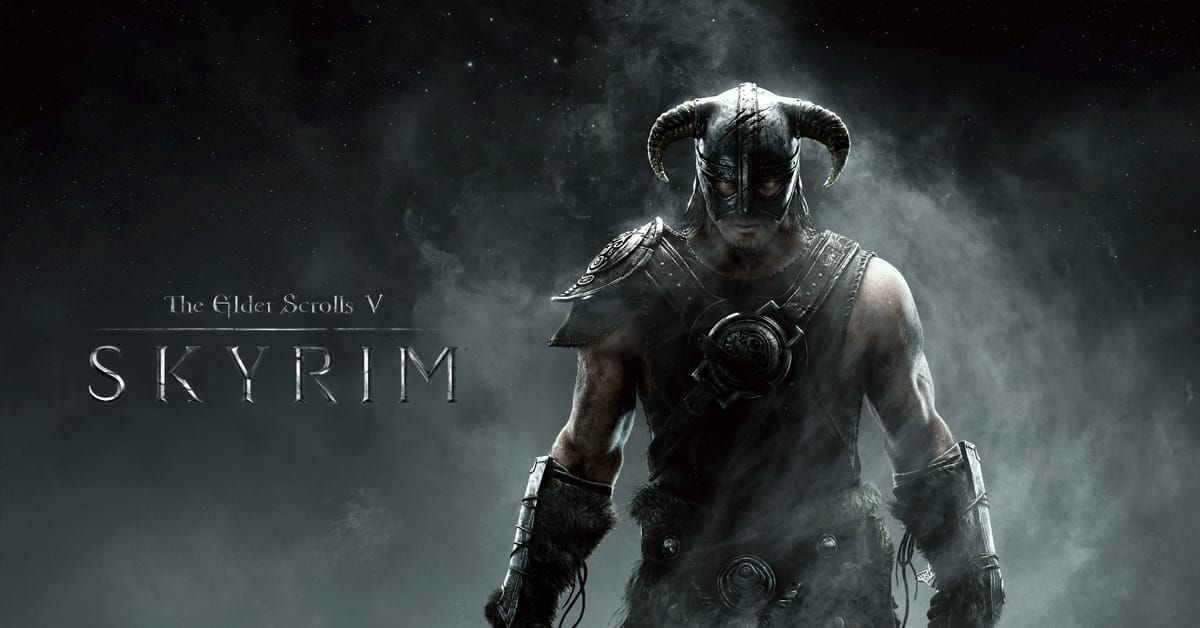
The Elder Scrolls V: Skyrim probably doesn’t need much of an introduction. You play as the Dragonborn and are given an enormous open world in which you’re largely free to decide where you go and which stories you follow. But for fans of The Blood of Dawnwalker, it’s the Dawnguard expansion that’s particularly interesting.
In Dawnguard, Skyrim becomes caught up in a conflict between a group of vampire hunters and the powerful Volkihar vampires. You can become a Vampire Lord yourself, complete with your own transformation and a collection of supernatural abilities. Draining enemies, summoning bats, and continuing to develop your vampiric powers will all feel pretty familiar if you particularly enjoyed Coen’s nighttime abilities.
Skyrim also gives you that same freedom to simply pick a direction and see where you end up. Caves, villages, and strange encounters can completely distract you from whatever you originally set out to do and regularly lead to elaborate questlines. The writing and choices aren’t as central as they are in Dawnwalker, but the feeling of exploring a huge fantasy world where there’s something to discover everywhere is absolutely present.
For the best comparison, I wouldn’t recommend Skyrim because of the Dragonborn himself, but because of Dawnguard. If Coen convinced you that every RPG becomes better when you can occasionally transform into a bloodthirsty monster, Skyrim has you covered.
Pathologic 2
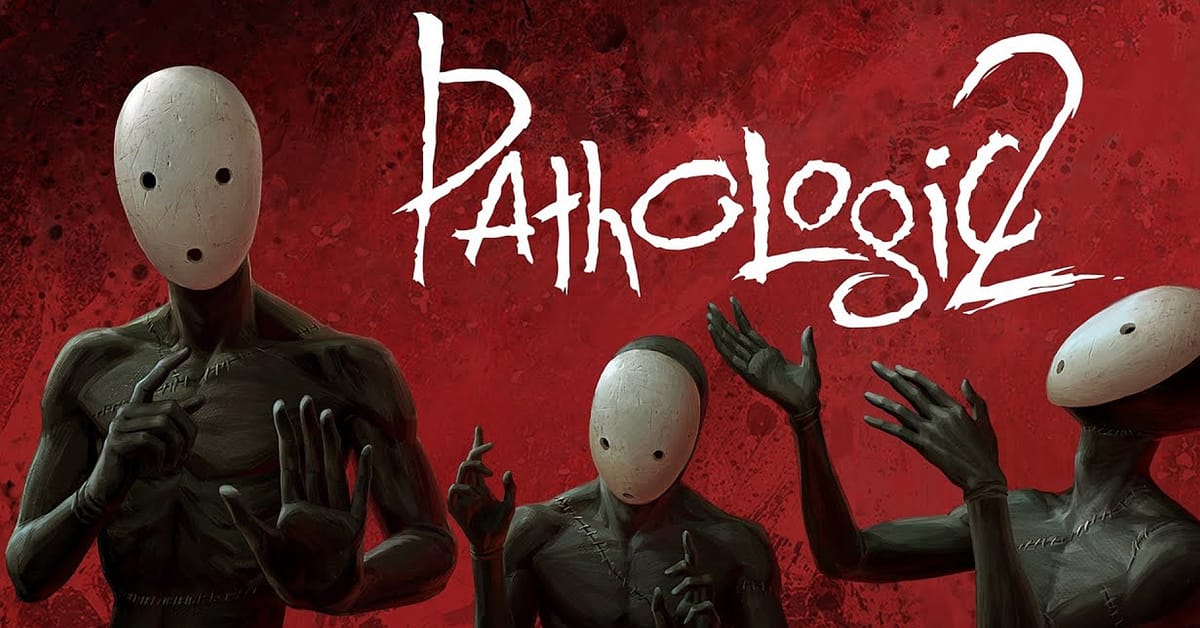
Best for: Players who thought The Blood of Dawnwalker’s time limit system could have been much stricter.
Pathologic 2 takes place in an isolated town being ravaged by a deadly epidemic. You play as Artemy Burakh, a surgeon who returns to his hometown and quickly finds himself facing the unenviable task of trying to help as many people as possible while the situation around him continues to spiral out of control.
And time is your greatest enemy. Pathologic 2 gives you just twelve in-game days, and the clock keeps ticking throughout. While you’re trying to solve one problem, other events can unfold without you. You simply don’t have enough time and resources to help everyone, forcing you to constantly decide who or what deserves your attention at that particular moment.
That makes Pathologic 2 perhaps the most extreme version of the idea The Blood of Dawnwalker plays around with. In Dawnwalker, certain quests cost time slots and, in theory, you have to accept that you can’t do everything. Pathologic 2 builds virtually the entire experience around that same stress. Time, hunger, health, and other limited resources continue putting pressure on you while the world refuses to politely wait around.
The result definitely isn’t for everyone. Pathologic 2 is deliberately uncomfortable, stressful, and regularly pretty unforgiving. But did you finish The Blood of Dawnwalker and, like me, find yourself thinking that the clock could actually have ticked a little faster? Then this might be exactly the game you’re looking for.
Whether it was the vampires, memorable quests, difficult choices, or the constant ticking of the clock that made The Blood of Dawnwalker stand out to you, there are thankfully plenty of games that offer something similar.
And with Rebel Wolves seemingly far from done with the world of Dawnwalker, I doubt this will be the last time we get to sink our teeth into Coen’s story. Until then, the games above should keep you busy.
Still looking for something to play? Check out Find Your Next Game for more games similar to your favorites.