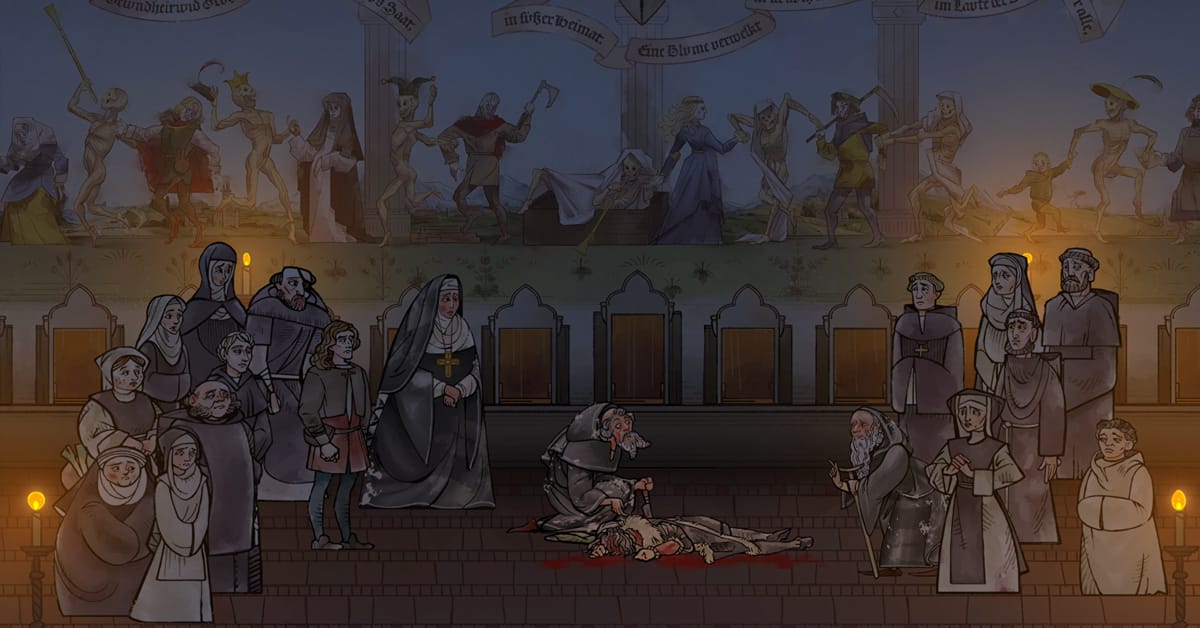

This article contains spoilers for Pentiment
Pentiment had been on my mind for weeks. After watching several heads roll, I finally got to see the credits roll as well. The Obsidian game accomplished its mission with flying colors: it managed to make me identify with a hand-drawn protagonist, Andreas, who looks like he could have stepped straight out of an old book. His worries became my worries.
Pentiment made me feel uneasy for weeks, constantly wondering whether I was doing the right thing. Instead of giving me immediate answers, it constantly left me walking around with one question on my mind: “Did I send an innocent man to his grave?” I cursed the game. “JUST GIVE ME THE ANSWERS!!” I thought to myself. And you should know that I came very close to Googling them.
But that would go against everything Pentiment stands for. It wants you, just like Andreas, to gradually accumulate demons that he carries with him for the rest of his life, and that you carry with you throughout your playthrough. Pentiment wants you to experience how Andreas slowly starts to crumble under the weight of uncertainty, the same uncertainty you will feel throughout your journey. Doubt. Regret. The question “Did I do the right thing?” will continue to hang over your head like the sword of Damocles. Until, eventually, the answers finally come to light.
And when those credits finally rolled, I did get answers. Just not the one I had been desperately waiting for. I finally knew who had been pulling the strings behind everything that happened in Tassing, but whether I had actually sent innocent men to their deaths? I still didn’t have a clue. Pentiment had spent my entire playthrough making me live with that uncertainty, and even at the finish line, it refused to take it away.
The point is not to catch a killer and prevent further tragedy, but to live with the consequences of everything that happens.
An Unpainted Canvas
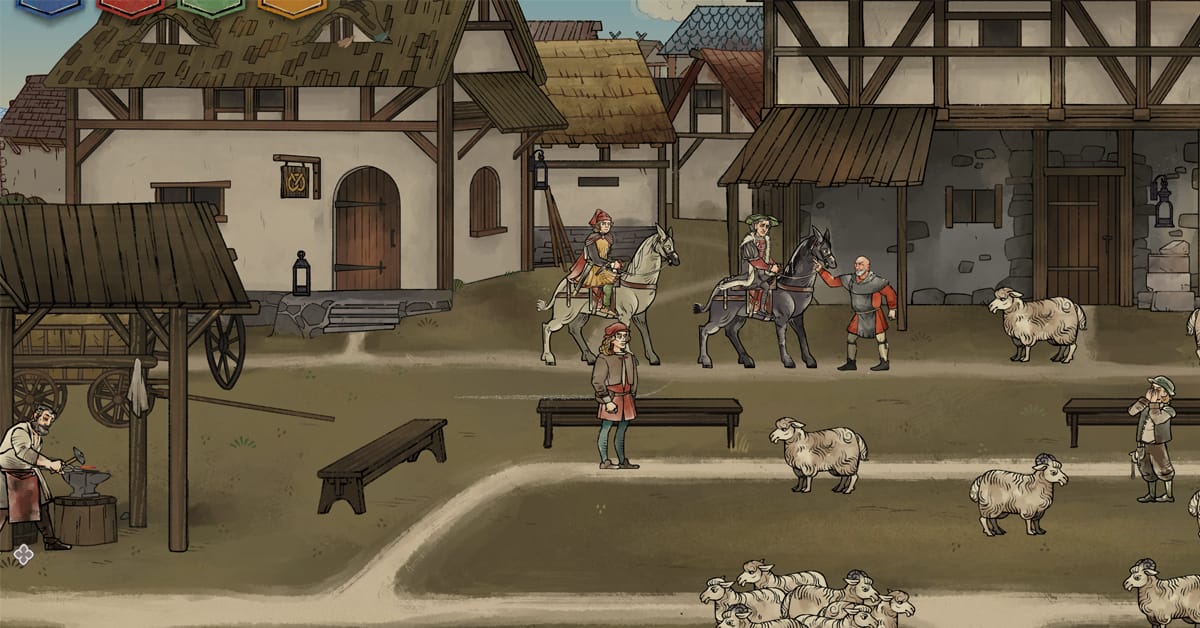
The beginning of Pentiment already feels like a distant memory, which is yet another testament to how cleverly Obsidian structures the game. You experience decades passing by. You see young children being born and grow into adults who play their part in Tassing’s community. You watch people grow old, fall ill, and die. You see some flourish, while others become bitter because of events you witness, and sometimes directly influence.
That’s why it feels like an eternity ago that I took my first steps in Tassing as Andreas. Back to a time when, to stick with the game’s theme, the little town was still an unpainted canvas. Secrets were still carefully buried. Future lovers hadn’t even met yet, and people I now know will eventually die were still in the prime of their lives.
And me? I started my story full of optimism. Pentiment introduces me to the eccentric Baron Lorenz Rothvogel, and there are so many mysteries and rumors surrounding the man that I’m convinced he’s going to play a major role in the story.
Not much later, however, I find him dead. I had fully expected a major thread of the story to revolve around my relationship with the Baron. Whether I decided to trust him and how I would deal with his unpredictable antics. But nothing could have been further from the truth. The Baron meets his end, and it’s up to me to figure out how it happened.
So much to do, so little time
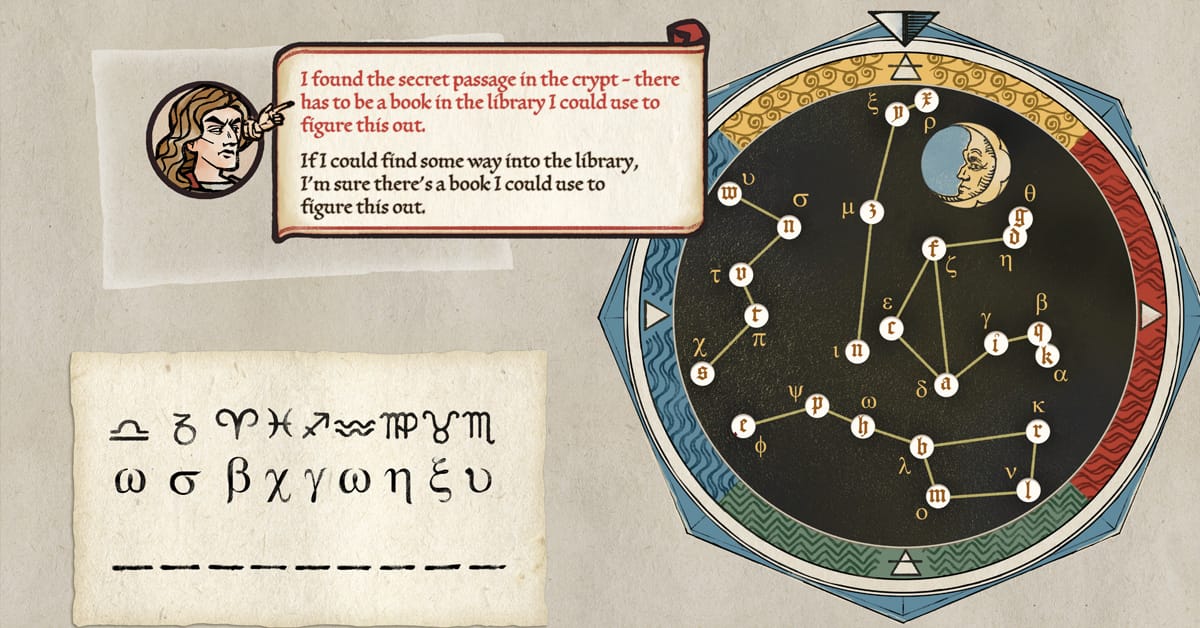
I’m given several leads to follow and then left to my own devices. After following the first lead, getting caught up in a conversation and watching an entire part of the day disappear in the process, I start to feel the first signs of unease. It quickly becomes clear that I won’t be able to do nearly everything I want to do. Archdeacon Jacob Estler is on his way, and by the time he arrives, he needs to know what happened.
Meanwhile, the days keep slipping away while the number of leads only continues to grow. The more I talk to my fellow residents of Tassing, the more information comes to light. The quest log points you in the right direction, but talking to villagers who aren’t even mentioned in the log can suddenly uncover entirely new leads. But which ones do you pursue?
Those decisions were difficult every single time. Personally, I tended to pursue the leads I discovered myself rather than the ones the game immediately handed me. I hoped I’d be rewarded for investigating something on my own initiative. But making choices remained difficult. Who would I have dinner with that evening? So much hospitality and so many possibilities. Who could bring me closer to my goal?
Building the Case Against Ferenc
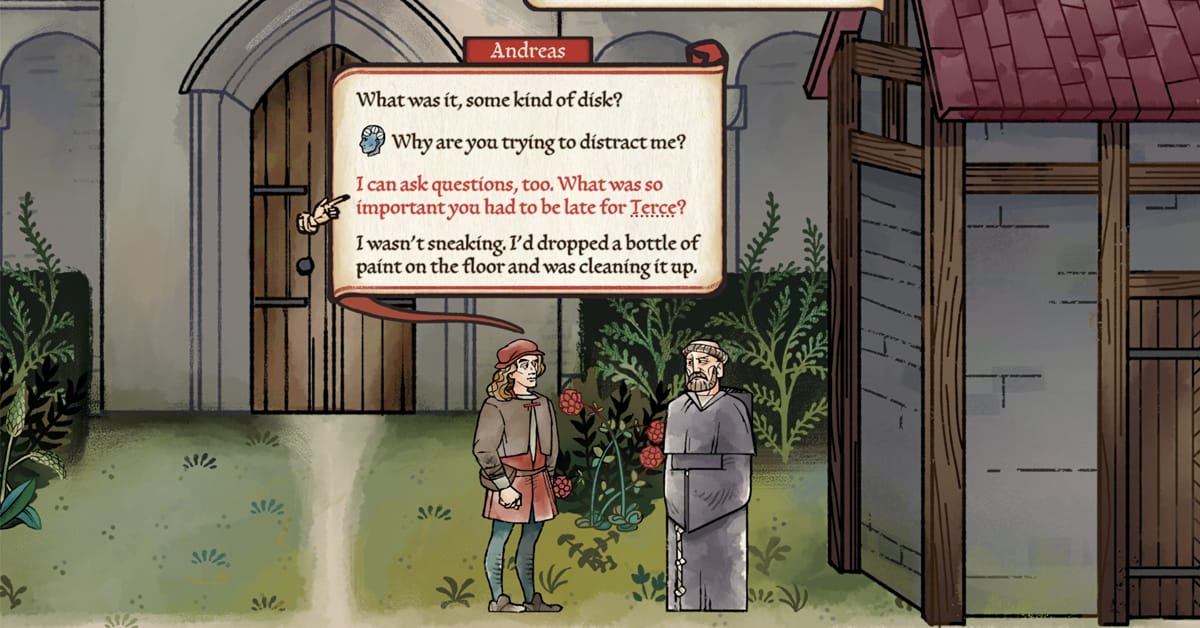
Slowly but surely, I started building a case. Dark secrets came to light. I discovered that the victim, Lorenz, had been blackmailing Ferenc. The latter had apparently been studying occult rituals, and Lorenz could expose him at any moment.
A possible motive for Ferenc to put a stop to that. Possible. It was nothing more than a suspicion, but when the Archdeacon showed up, I had to point the finger at someone. I had no hard evidence. What I had was a collection of exposed secrets. Possible motives, but nothing concrete. Yet there was no dialogue option that could get me out of this. I had to make a choice, and it wasn’t between an undisputed killer and a group of innocent people. I simply had to pick the most likely suspect.
I pointed the finger at Ferenc, and less than a minute later he was being prepared for execution right in front of me. As merciless as Pentiment had been in forcing my hand, it was generous enough to give me the option to look away when the moment came. I politely declined. I, Andreas Maler, was personally responsible for the death of this possible murderer. I was going to see it through to the bitter end.
Now Live With It
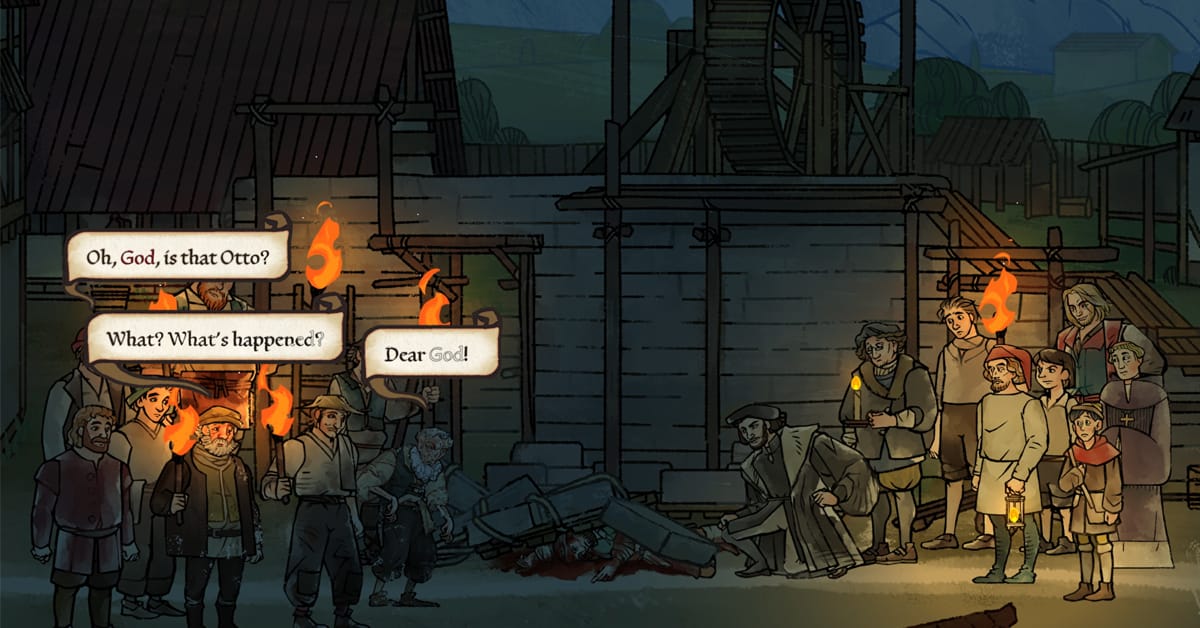
At that point, I genuinely thought the game was almost over. I waited for the credits and hoped I’d finally get the answer I desperately wanted. Had I been right? If not, I’d reload an earlier save and make things right.
But Pentiment had other plans. It wasn’t going to let me off that easily. It was going to make me feel the consequences of my actions for longer than a few minutes. Instead of the credits I expected and secretly hoped for, the words ‘Act 2’ appeared.
Shit.
And the worst part? Act 2 pulled the same trick all over again. I jump forward in time. Andreas is considerably older now and has a young apprentice named Caspar. Seven years later, and I still have no idea what really happened.
Ferenc is no longer with us, but fortunately, the poor man didn’t have any family living in Tassing. No deep, personal grudges constantly reminding me of the choice I made. The whole incident even seems to fade into the background somewhat, as a new development offers a distraction for Andreas’ conscience, and mine.
This time, Otto is the unfortunate victim. Seven years earlier, he was the man who helped me dig up a grave and find objects that pushed me toward condemning Ferenc, against the abbot’s wishes. That obviously earned him some points with me at the time, so it was sad to see him go. But by now, I have some experience solving murder cases, and so the whole routine starts all over again.
Everyone Has Something to Hide
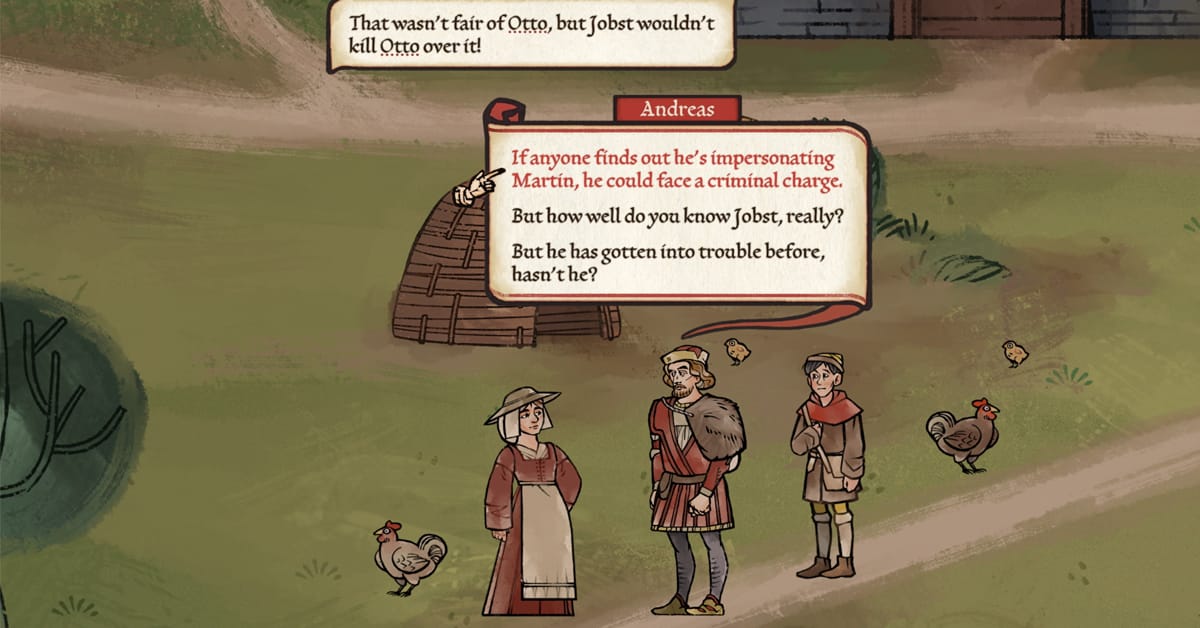
Once again, I’m chasing leads in a race against the clock. I use the same strategy. By talking to NPCs the game never points me toward, I discover that Martin isn’t actually Martin. The current Martin is a man who assumed the identity of the real Martin, whom I met as a young boy seven years earlier. Something clearly smells fishy, but is it the smell of murder?
Another name on my list of suspects is Guy, the brother who has irritated me since the beginning of the game. An absolute piece of work, and in Act 2 I discovered that being an asshole wasn’t the only thing he had on his record. He had been manipulating the abbey’s financial records and stealing money.
But as much as I would’ve liked to see him lose his head, messing around with numbers and money seemed less closely related to murder than taking over someone else’s identity and deceiving a whole village for years. If you’re capable of that, surely you’re capable of murder too. Hell, maybe ‘Martin’ had already done exactly that by getting rid of the real Martin. Those were the kinds of thoughts running through my head when I accused him.
And so Martin, too, fell victim to my half-baked investigation, which hadn’t come close to exhausting every lead. And while the leads weren’t exhausted, I certainly was. Was this the second man I’d wrongly sent to his death? And would I once again have to wait this long to find out?
A New Protagonist
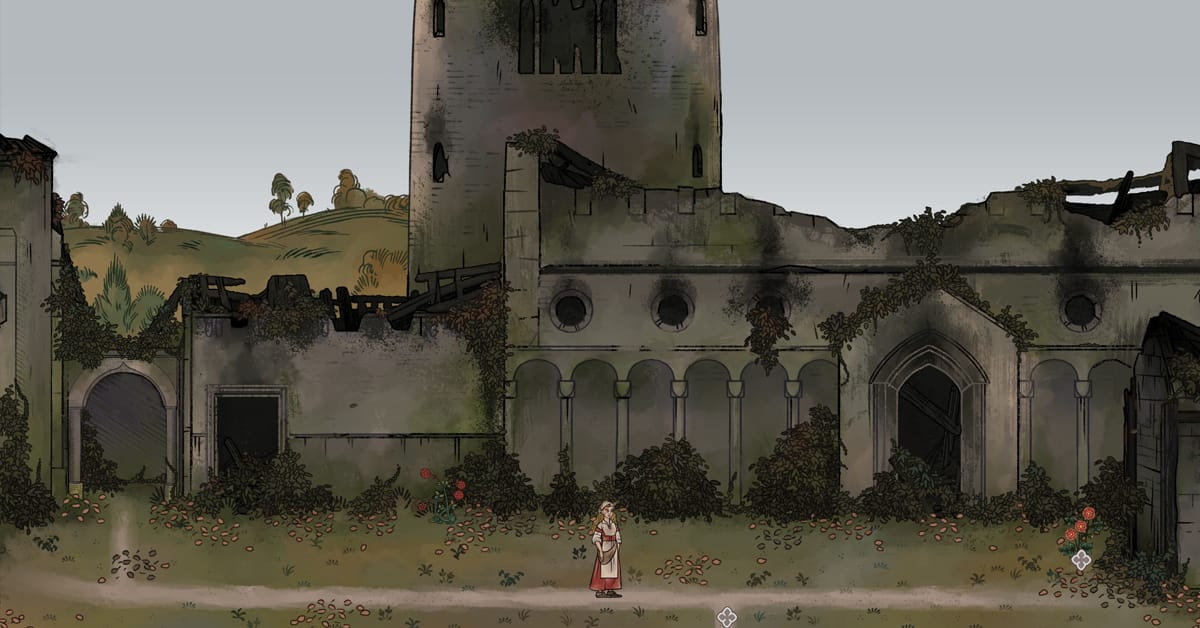
Lucky Andreas. He didn’t have to carry that question with him anymore, or at least that’s what I thought at the time. He also appears to perish at the end of Act 2, when the abbey burns down and claims countless victims. But I still have to wrestle with my conscience for a little while longer.
Magdalene then takes over as the protagonist. Through her eyes, I see how Tassing has changed in the 18 years since the fire.
I hear stories from people who lived through the disaster. Different stories, opinions and experiences. Agnes Steinaueryn doesn’t mince her words and openly expresses her hatred for Andreas during a conversation with Magdalene. She believes Andreas started and escalated the revolt. She’s not entirely objective, though. Agnes is the mother of ‘fake Martin’s’ wife, and I certainly didn’t do her family any favors as the previous protagonist.
The Answer I Never Got
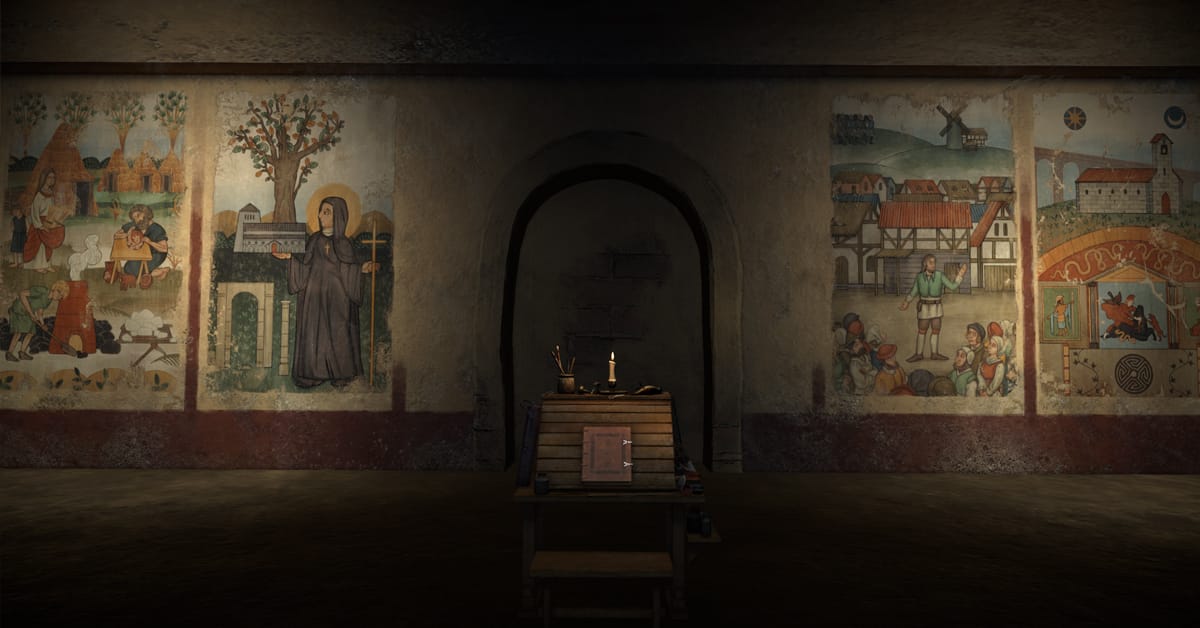
And then, after all those hours, Pentiment finally revealed who had been pulling the strings. Father Thomas had manipulated people from the shadows, using their secrets to push them towards violence whenever someone threatened Tassing’s history and beliefs. But there was one answer I still didn’t get. Did Ferenc actually kill Lorenz? Did Martin kill Otto? Pentiment never tells me.
And that’s when I realized the uncertainty I had been carrying around wasn’t going anywhere. Maybe I’d sent innocent men to their deaths. Maybe I’d actually picked the murderers. There was no perfect lead I had failed to pursue, no definitive piece of evidence hidden somewhere that would finally absolve me of my choices. I had made them with the information I had, and now I had to live with them.
Pentiment shows how not only a town, but countless lives can change over time. It shows you that you have to live with the choices you make, and that those choices won’t always be the right ones.
It’s not really a traditional detective game. You can’t get to the bottom of everything, solve the murders and prevent all the suffering. Instead, the game shows you how to live with your choices, and how stories are changed over time and by the different people who tell them.
For weeks, Pentiment made me restless because I wanted to find the murderer and put the right suspect behind bars. What I didn’t realize was that this was never really the point. It’s not about successfully solving a series of murders. Even now, with the credits behind me, I still don’t know whether I accused the right people. And apparently, I never will.
You’re merely a passerby in a much longer story, one that isn’t about Andreas, but about Tassing.