Life is Strange is one of my favorite games of all time. And you don’t mess with perfection. That’s basically sacrilege. So when Life is Strange: Reunion, a game that would reunite Max Caulfield and Chloe Price, was announced, it already started at a 1–0 disadvantage for me.
But about ten hours later, I’m happy to say that this deficit has been more than made up for, and that my pessimism was misplaced. Deck Nine respects the original dynamic between Max and Chloe, blends it with the cast introduced in Double Exposure, and does so in such a natural way that all the puzzle pieces fall into place.
This review contains no spoilers for Reunion, but does contain spoilers for the very first Life is Strange and for Life is Strange: Double Exposure.
Stopping a Fatal Fire Before It Begins

Life was already strange, but things became even stranger in Double Exposure, where we had to deal with two different timelines. In one, Max’s friend Safi dies, while in the other she survives and Max must try to prevent the tragedy.
Nine months later, Reunion presents a new disaster. A massive fire breaks out at Caledon University, where Max works as a teacher. She does what she has done before: travel back in time through a photograph.
With only a few days left before the fire will break out, it’s up to you to figure out how the fire started and, more importantly, how to prevent it. Fortunately, you’re not alone. The ever-kind Moses, introduced in Double Exposure, is one of the very few people aware of Max’s supernatural powers.
The investigative trio is completed by none other than Chloe Price, who is surprisingly brought “back to life” in a plausible way by Deck Nine (yes, in my Life is Strange ending I sacrificed her. Sorry).
At its core, you could see this as a somewhat cheap cash grab to bring back a fan favorite. But the writers manage to weave together the events of the original game and Double Exposure in such a convincing way that the concept works remarkably well. That allows the focus to remain where it belongs: on how great it feels to see Max and Chloe share the screen again.
The Scenes Between Max and Chloe Are, Unsurprisingly, Among the Absolute Highlights

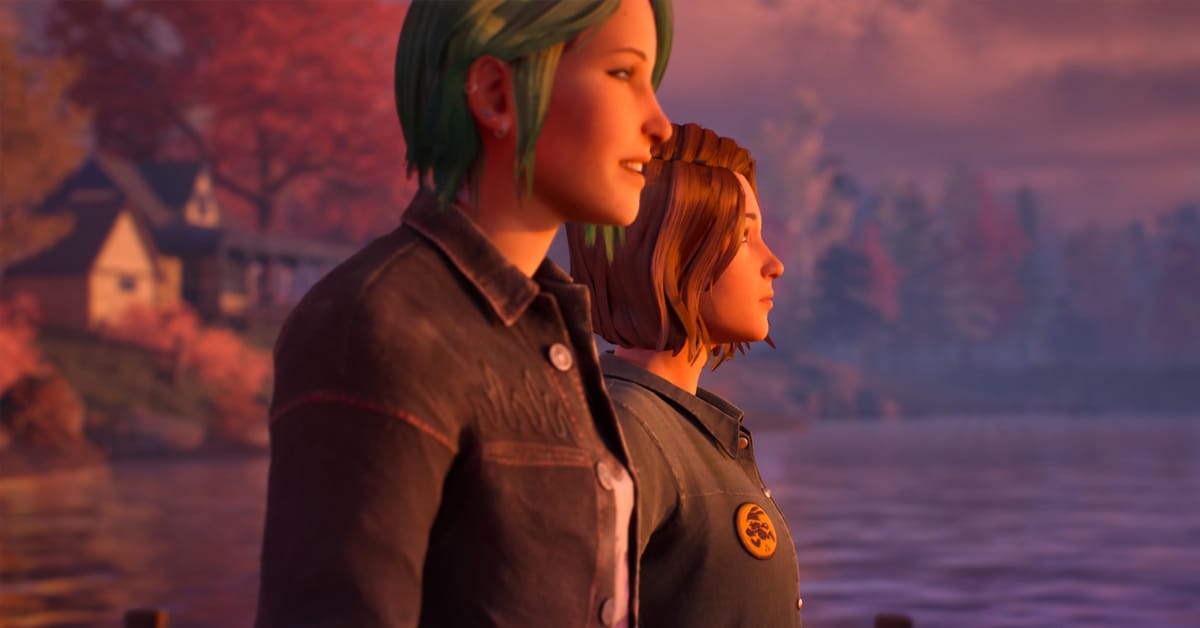
Life is Strange: Reunion lives up perfectly to its title. This game truly feels like a reunion. Seeing the older, and graphically much improved, versions of the two women who stole my heart back in 2015 together again was a special experience.
I was already very happy with the older version of Max in Double Exposure. In almost every way she still feels like the teenage version did: creative, sarcastic, and kind-hearted. The layer of adulthood added to her character is just enough to make it believable, without stripping away the playfulness that defines her.
The same goes for Chloe. She’s a little less rebellious, her hair is green instead of blue, but she’s still just as impulsive as ever. Even after all these years, the dynamic between the two is largely unchanged. Max is no longer the insecure teenager she once was, but it’s clear that she still looks up, at least a little, to the force of nature that Chloe is.
“Seeing the older, and graphically much improved, versions of the two women who stole my heart back in 2015 together again was a special experience.”
Thankfully, words like “hella” and “wowser” have been left far in the past. Their conversations are refreshingly free of teenage slang and instead focus on more interesting topics, like Max’s powers and the dangers that come with them, as well as everything that has happened in both the distant and recent past. One particular conversation on a boat, about the trust between the two of them, genuinely made my eyes water. And I can tell you, that’s a rare thing when I’m playing a game.
Everything about their interactions shows that these two are either best friends or soulmates, depending on the choices you make. They know each other’s insecurities and doubts inside out, and it’s always moving to see how they inspire one another, give each other confidence, and push each other forward. It’s clear in every moment: these two belong together. My biggest relief while playing Reunion was that this aspect has been preserved completely, which means a large part of the mission was already a success.
Life Is Strange: Reunion Makes Double Exposure Better in Hindsight

I wasn’t a big fan of Life is Strange: Double Exposure. The game introduced a wide range of new characters, but very few of them managed to leave any real impression on me. I also appreciated Max’s timeline-shifting powers a lot less than the butterfly effect of her time-rewind ability from the original game.
The different timelines and what did or didn’t happen in each of them became a bit confusing after a while. I also wasn’t thrilled that by the end of the story, two characters besides Max also turned out to have powers. I could already see where this was heading: a kind of Marvel-style universe.
Thankfully, Reunion doesn’t immediately push that angle too far. Safi, who in Double Exposure was revealed to have shape-shifting powers, does play an important role, but this time I found every scene with her genuinely interesting. Until the very end, I wasn’t fully convinced about her true motivations or intentions, which made her a fascinating character. More than once I caught myself thinking “I can fix her”.
Maybe I simply needed more time with these newer characters to really get to know and appreciate them. Moses, for example, also worked his way further into my heart after playing Reunion. All the storylines and relationships established in Double Exposure naturally carry forward here. Every character has their own believable motivations, which slowly unfold as the story progresses.
What I also appreciate is how almost every character operates in a moral gray area, even Max. There is no pure evil or pure goodness here. Each character is driven by personal goals, and those goals don’t always align with what others might consider the right thing to do.
This game has given me a new kind of respect for Double Exposure. It simply needed one more chapter to truly come together as a complete story.
The Gameplay Remains Simple
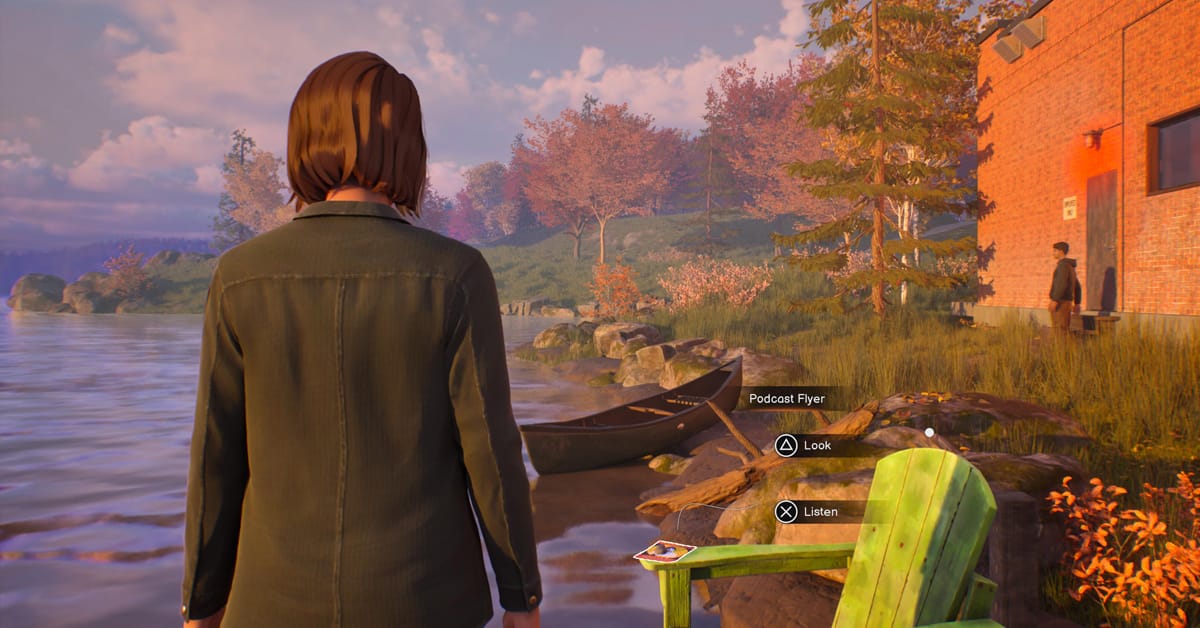
In between all the engaging dialogue and narrative developments, you’re of course still holding a controller as well. Gameplay alternates between Max and Chloe as the protagonist, and it’s simple enough that I’ve always considered Life is Strange something of a comfort game, minus the… well, emotionally devastating moments.
With both characters, you explore a variety of environments, most of which are relatively small. Many of these locations are carried over directly from Double Exposure, such as Caledon University, the Snapping Turtle, and Max’s home. Don’t expect a lot of brand-new creativity in this area, but the choice makes sense since everything revolves around the university.
As you walk around, you can inspect various objects like flyers, photos, and bags, as well as people. Doing so triggers short snippets of Max or Chloe’s internal thoughts, which are often quite entertaining. In many cases these interactions provide extra background and world-building, but sometimes they also give you useful information you can use during later conversations, or hints related to the upcoming fire.
Max’s Rewind Powers Aren’t as Creative as They Once Were
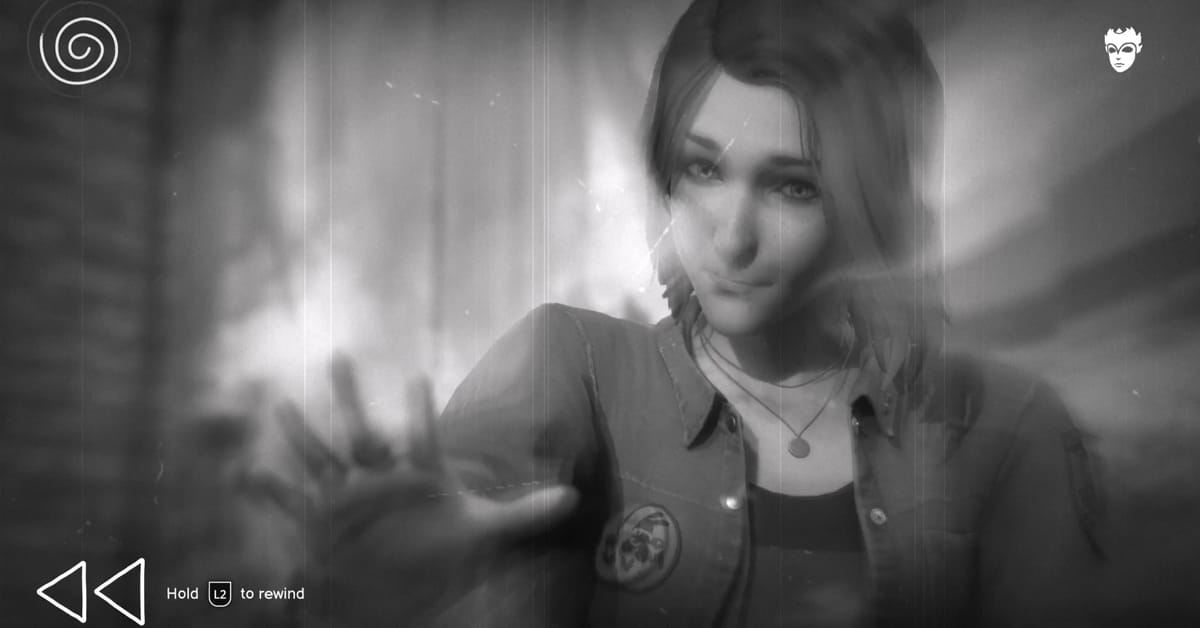
Max’s unique gameplay mechanic is her ability to rewind time. With the press of a button you can rewind to the last key moment, or manually choose how far back you want to go. Don’t expect to rewind all the way to the beginning of the game, though. This ability is limited to the conversation or situation you’re currently in.
During a dialogue, for example, a character might accidentally reveal important information, only to decide immediately afterward that they don’t want to talk about it anymore. Max can then reset time to the start of that conversation and bring up that crucial piece of information right away, steering the conversation in a different direction.
Deck Nine doesn’t use this ability particularly creatively. In the original Life is Strange, you could do a lot more with it, like warning someone about to get hit by a flying ball, or making sure (or preventing) that a bully gets paint dumped on them. In Reunion, the mechanic is mostly limited to dialogue. That’s a shame, because this is an area where the game could have done much more.
Chloe’s Power-Less Gameplay Is Actually More Interesting Thanks to Backtalk
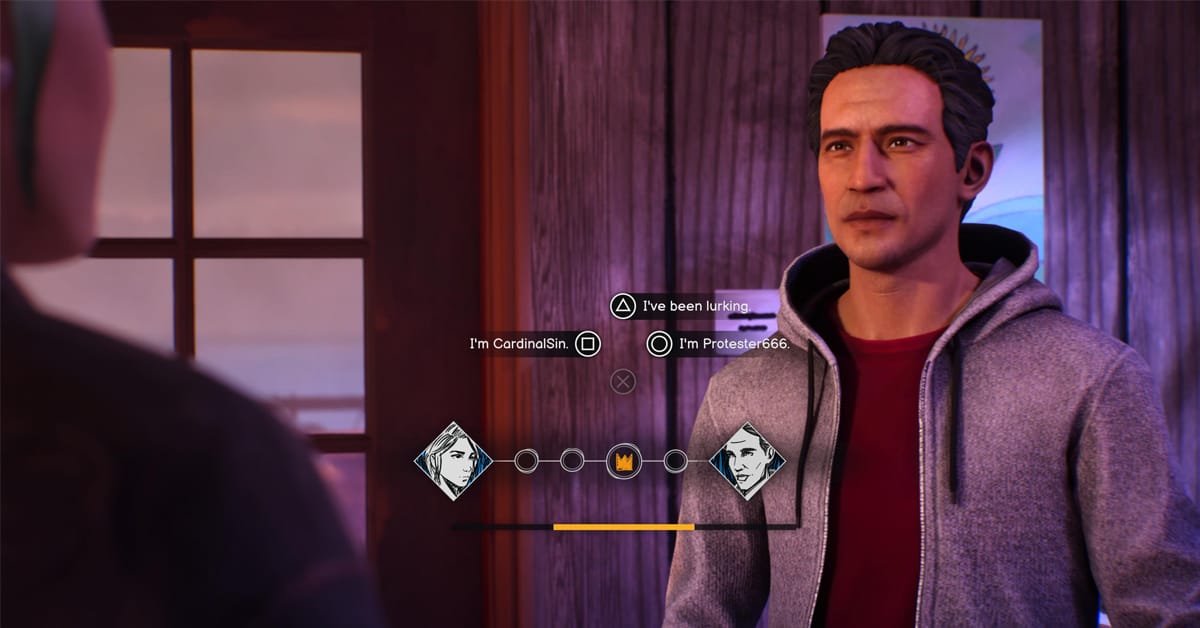
In fact, Chloe’s “power-less” gameplay ends up being more interesting. In certain conversations she can use Backtalk, a mechanic players will recognize from Life is Strange: Before the Storm. During these exchanges, you try to convince the person you’re talking to of something. To do that, you need to pay close attention to what they say and sometimes use information you learned earlier by inspecting objects in the environment.
Pick the right responses several times and you’ll “win” the conversation, which can reveal important information or help you avoid trouble. It’s always satisfying to checkmate your opponent in these moments simply by paying attention and choosing the right lines. Personally, I would have liked to see the Backtalk mechanic appear a bit more often throughout the game.
Decisions That Shape the Story
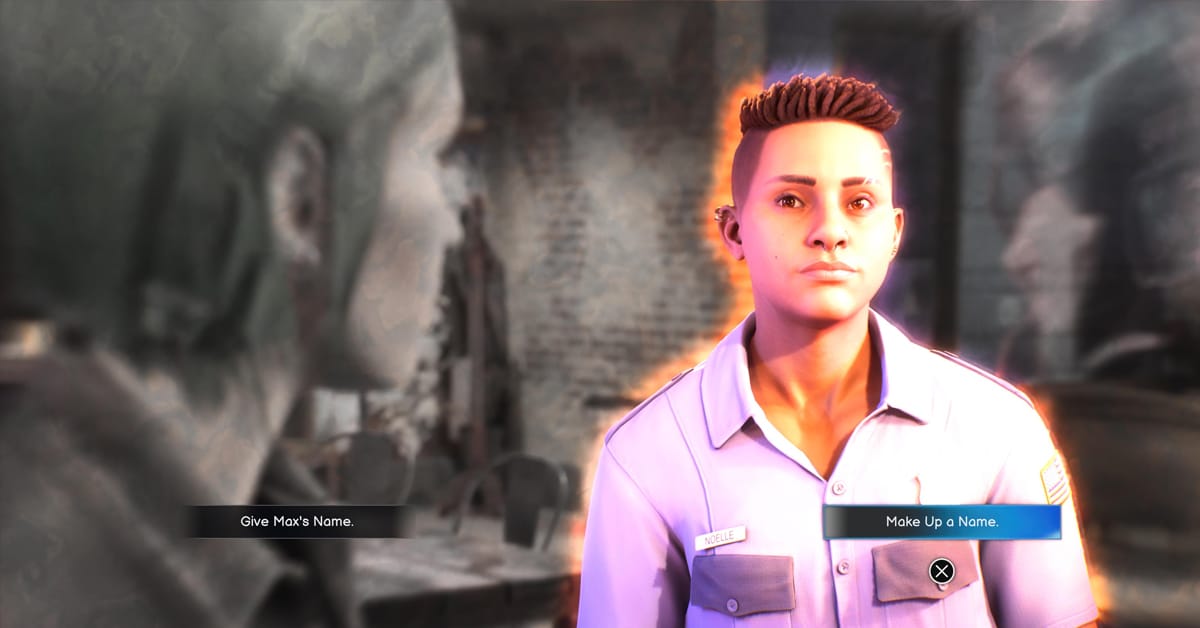
Amid all of this, you’ll also be making choices. During every dialogue you can select certain options by pressing the button that corresponds to one of up to four responses. In practice, though, these aren’t always real choices. You can often cycle through several responses before one specific line pushes the conversation forward.
This does take away a bit of replay value, which now mostly depends on the real choices. At key moments you’ll have to pick between two actions that can influence how the story unfolds and how it ultimately ends. After making your decision, the game reminds you that this choice will have consequences.
These moments are always interesting, and the decisions can sometimes be quite difficult. They often revolve around things like who you choose to trust, and how you want to shape Max and Chloe’s relationship.
At the end of the game you’re shown an overview of how your choices compare to those of other players. It’s always a moment I look forward to in games like this. You can also see which events and story paths you may have missed along the way.
Some Loose Scraps

- Deck Nine chooses not to pick a side and treats both endings of the first game as canon
- The first Life is Strange game where both Max and Chloe are playable characters.
- Ashly Burch was the original voice actress for Chloe Price, but she was replaced by Rhianna DeVries in Before the Storm. Deck Nine continued with DeVries in Reunion.
- That same Burch also voices Aloy in the Horizon games.
- Max’s voice actress, Hannah Telle, does return for the third time.
- The lyrics of the beautiful soundtrack reflect the events of both this game and earlier entries in the series.
Conclusion
Life is Strange: Reunion makes its predecessor Double Exposure better in hindsight and brings the various storylines together in an engaging way. Even though I ended up feeling more connected to some of the characters introduced in Double Exposure, it’s still the scenes between Max and Chloe that stand head and shoulders above the rest of the game.
Max’s supernatural powers are used less creatively than in the first game, which means the gameplay largely relies on the well-written characters, the still entertaining inner thoughts of the two protagonists, and the moments where you’re forced to make important choices.
Add a beautiful soundtrack and strong visuals to the mix, and Max and Chloe’s story comes to a respectful conclusion that fans who ship Chloe and Max will especially appreciate.